In the competitive business landscape of Pakistan and the global export market, your visiting card is often the very first physical interaction a potential client has with your brand. It is not just a piece of paper with a phone number; it is a tangible representation of your company’s professionalism, attention to detail, and brand identity.
At Malik Art, a trusted visiting card printing in Sialkot provider since 1954, we have helped thousands of businesses—from sportswear exporters and surgical instrument manufacturers to local retailers and corporate professionals—make a powerful first impression. But with so many paper types and finishing options available, how do you choose the right one?
This comprehensive guide breaks down the most popular visiting card finishes, explaining their look, feel, ideal use cases, and how to select the perfect combination for your specific industry and budget.
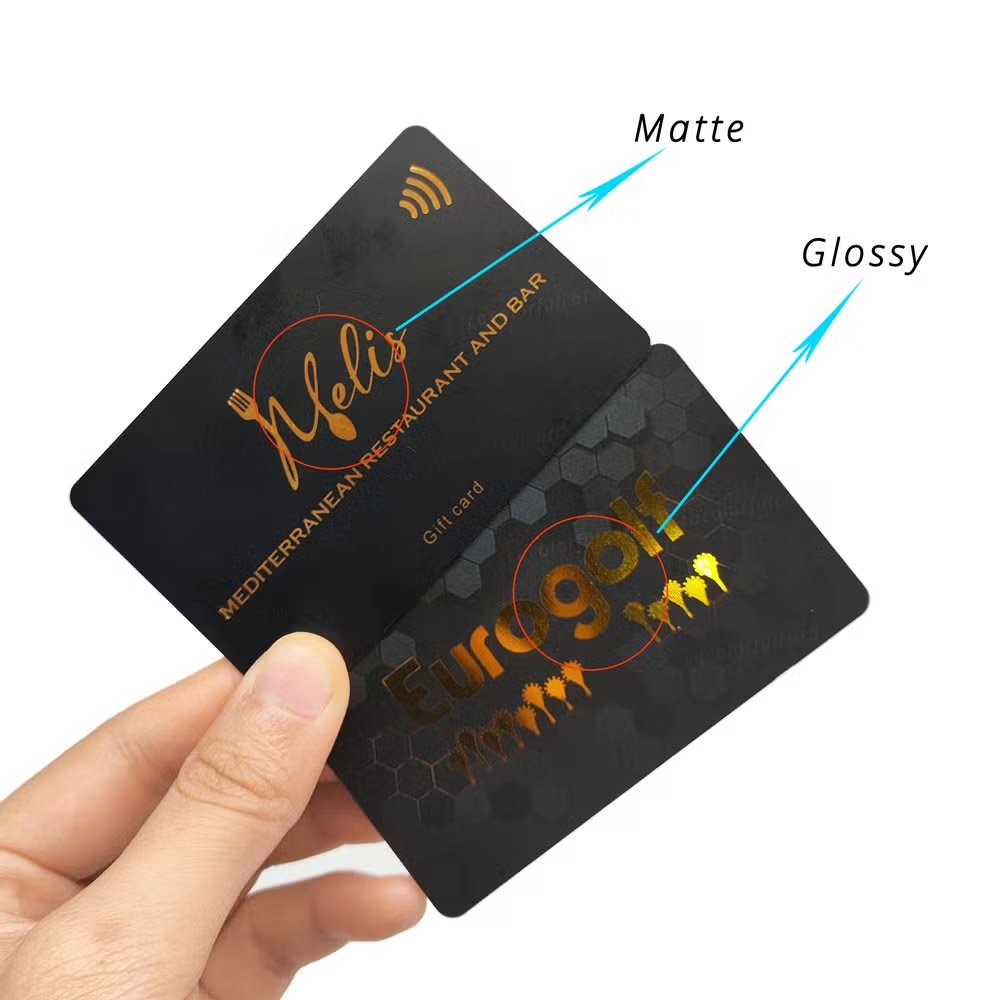
1. Matte Lamination: The Standard of Professionalism
Matte lamination involves applying a thin, non-reflective plastic film over the printed card stock. This finish eliminates glare, giving the card a smooth, velvety, and sophisticated texture.
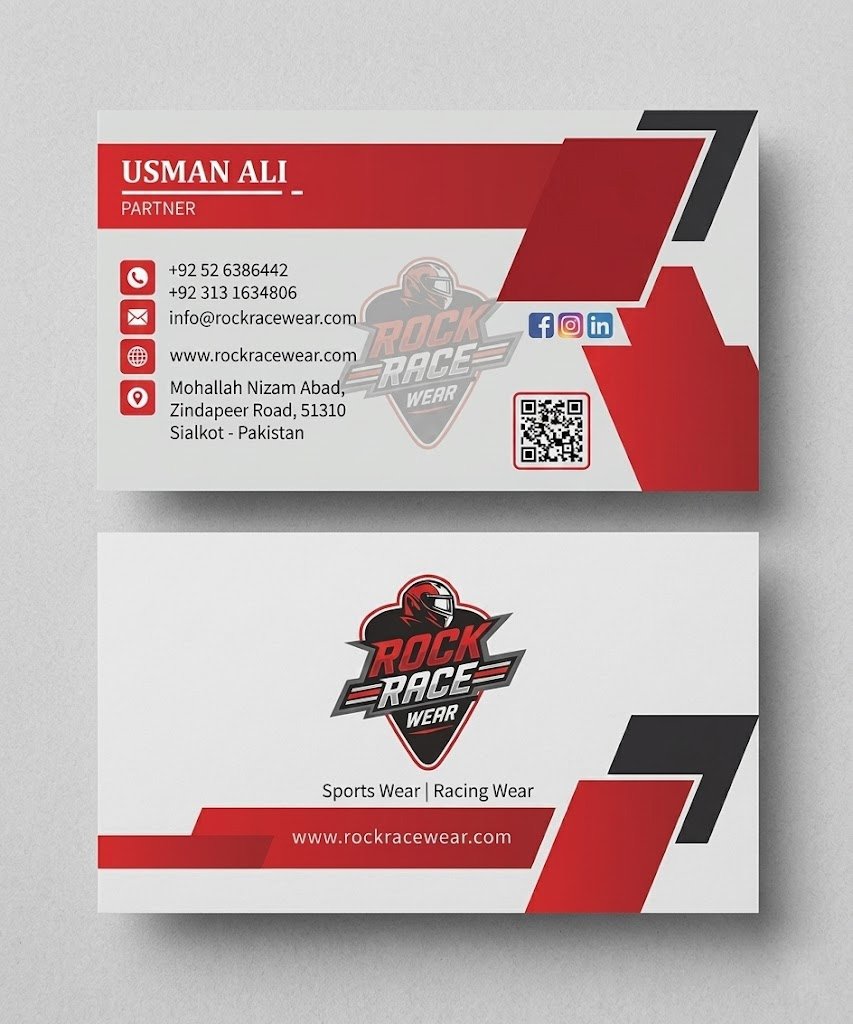
- Best For: Corporate executives, lawyers, doctors, consultants, architects, and premium B2B brands.
- Look & Feel: Elegant, understated, and easy to read under any lighting condition.
- Pros: Highly resistant to fingerprints and smudges; provides a premium tactile experience without being flashy.
- Watch Out For: Can slightly mute very dark colors, so ensure your design has good contrast.
2. Gloss Lamination: Vibrant and Eye-Catching
Gloss lamination applies a shiny, reflective film that enhances the colors and makes the printed design pop. It gives the card a polished, photographic appearance.

- Best For: Retail businesses, fashion brands, photographers, food and hospitality industries, and product-based companies.
- Look & Feel: Bright, vivid, and modern.
- Pros: Makes colors appear richer and more saturated; offers good protection against minor spills and wear.
- Watch Out For: Shows fingerprints easily on dark backgrounds; can sometimes feel less “exclusive” than matte finishes for high-end professional services.
3. Spot UV (Ultra Violet): The Art of Subtle Contrast
Spot UV is a localized glossy coating applied only to specific areas of the card (like your logo, name, or a specific design element) over a matte lamination base. This creates a striking high-low contrast that is both visual and tactile.
- Best For: Creative agencies, real estate professionals, tech startups, and brands wanting a subtle premium detail without the high cost of foil.
- Look & Feel: Sleek and modern, with a raised, shiny effect on the targeted areas.
- Pros: Draws immediate attention to your most important branding elements; highly memorable.
- Watch Out For: Requires a high-resolution, vector-based logo for the UV mask to ensure crisp, clean edges.
4. Foil Stamping: The Ultimate Luxury Statement
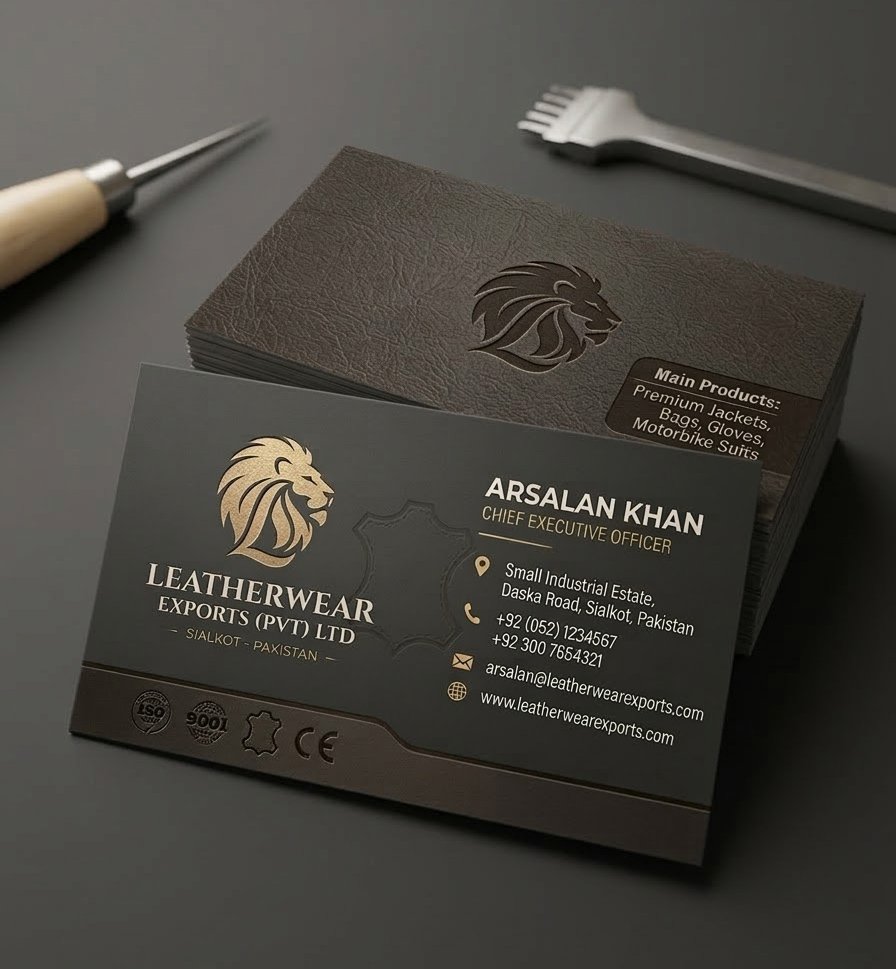
Foil stamping uses heat and pressure to apply a thin layer of metallic foil (gold, silver, rose gold, copper, or holographic) onto the card. It is the strongest visual and tactile signal of luxury and craftsmanship.
- Best For: Luxury brands, boutique hotels, jewelry designers, wedding planners, premium salons, and high-end real estate.
- Look & Feel: Opulent, reflective, and highly tactile.
- Pros: Unmatched premium appeal; instantly elevates the perceived value of your business.
- Watch Out For: Higher cost per card; best paired with thick, textured, or dark matte card stock for maximum contrast. Fine details in the logo may not stamp cleanly.
5. Embossing & Debossing: Making Your Mark
Embossing pushes the design up from the card surface, while debossing presses it down. Both techniques create a three-dimensional, tactile effect that customers notice instantly, even with their eyes closed.
- Best For: Heritage brands, law firms, luxury retail, creative studios, and artisans.
- Look & Feel: Deeply textured, classic, and highly engaging.
- Pros: Creates a lasting sensory memory; works beautifully without ink (blind embossing) for a minimalist look.
- Watch Out For: Requires thick card stock (350 GSM or higher); not suitable for highly detailed or very small text.
6. Textured & Cotton Paper: The Natural Premium Choice
Instead of relying on coatings or foils, textured and cotton papers use the physical structure of the paper itself to convey quality. Options include linen, kraft, laid-finish, and soft-touch cotton stocks.
- Best For: Eco-friendly businesses, boutique brands, designers, and organic product manufacturers.
- Look & Feel: Natural, organic, and distinctly high-end.
- Pros: Environmentally friendly perception; unique feel that stands out from standard coated cards.
- Watch Out For: Textured surfaces can make very fine print or small barcodes difficult to read.
Which Finish Should You Choose? (Industry Guide)
To help you decide, here is a quick reference table matching industries with their most effective visiting card finishes:
| Industry / Business Type | Recommended Finish |
|---|---|
| Doctors, Lawyers, Consultants | Matte Lamination + Spot UV on Logo |
| Retail, Fashion, Lifestyle | Gloss Lamination or Textured Paper |
| Luxury, Boutique, Wedding Services | Foil Stamping + Thick Cotton Paper |
| Exporters & Manufacturers | Matte Lamination + Double-Side Print |
| Designers & Creative Studios | Embossing + Minimalist Design |
Common Mistakes to Avoid When Ordering Business Cards
- Using Low-Resolution Logos: Always provide vector files (AI, EPS, or high-res PDF) to ensure crisp printing, especially for Spot UV or Foil.
- Crowded Design: Less is more. Leave adequate white space (margins) so the card breathes and looks professional.
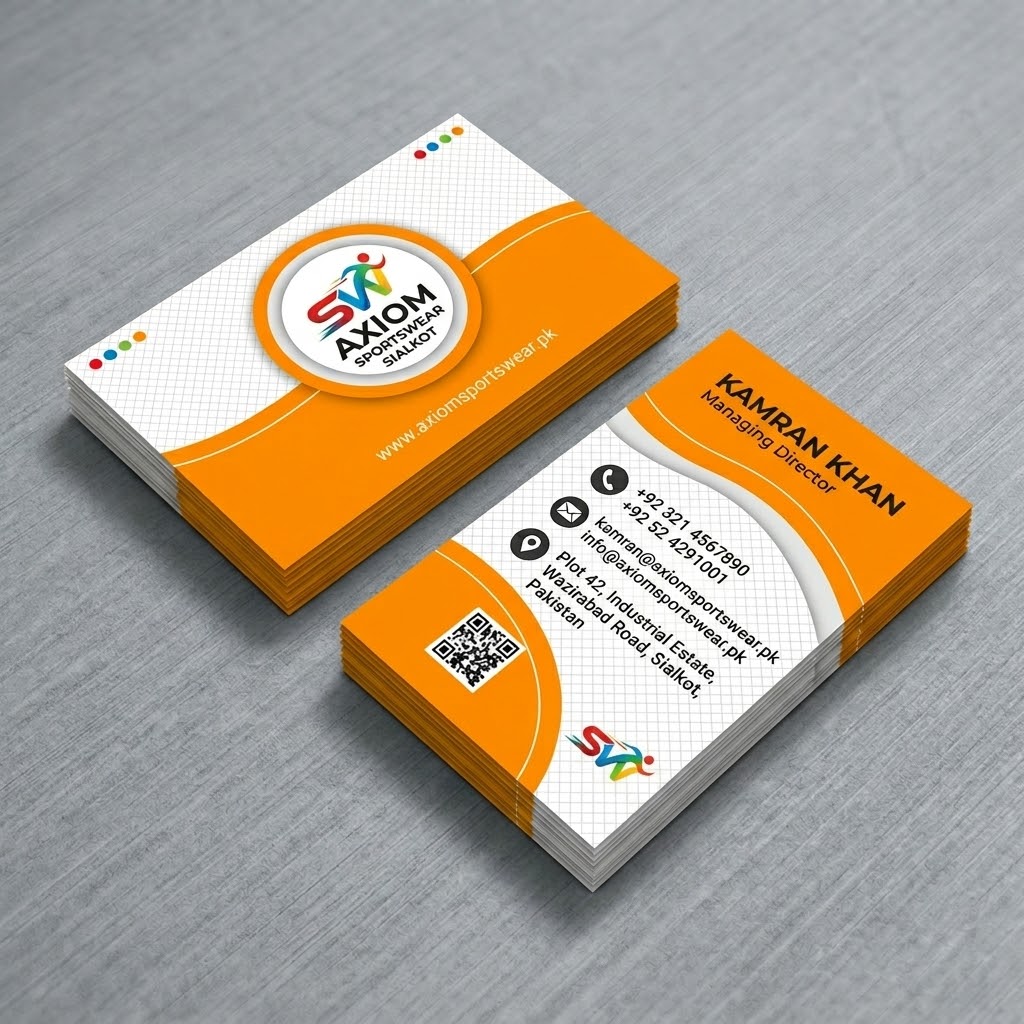
- Ignoring the Back of the Card: Use the reverse side for a QR code linking to your website, a brief list of services, or your company slogan.
- Choosing the Wrong Paper Weight: For premium finishes like embossing or foil, always opt for 350 GSM or higher card stock. Flimsy cards undermine premium finishes.
Why Choose Malik Art for Your Visiting Cards in Sialkot?
With over 70 years of printing excellence, Malik Art is not just a vendor; we are your branding partner. Whether you need 100 premium cards for your executive team or 10,000 double-sided cards for your export sales force, we deliver:
- In-House Design Support: Free layout adjustments and color matching to ensure your brand looks flawless.
- Premium Materials: Genuine 300–350 GSM art cards, imported textured stocks, and high-quality lamination/foil materials.
- Fast Turnaround: Standard finishes in 3–5 working days, with urgent options available via WhatsApp.
- Export-Ready Quality: Consistent color matching and finishing that meets international brand standards.
Frequently Asked Questions (FAQs)
1. What is the minimum order quantity for premium finishes like Foil or Embossing?
While standard matte or gloss lamination starts at just 100 cards, premium finishes like foil stamping and embossing are most cost-effective at quantities of 250 to 500 cards and above due to the custom die creation required.
2. Can I combine multiple finishes on a single card?
Absolutely. Some of our most popular orders combine Matte Lamination with Spot UV, or Textured Cotton Paper with Gold Foil Stamping. Our team will advise you on the best combinations for your specific design.
3. Do you provide design services if I only have a rough idea?
Yes. Our in-house graphic designers can create a custom, professional business card layout from scratch based on your logo, brand colors, and contact information.
Ready to Elevate Your Brand’s First Impression?
Don’t let a generic, poorly finished business card undermine your hard work. Choose a finish that reflects the true quality of your brand.
Send your logo, preferred finish, and quantity to our team today for a fast, no-obligation quotation. We typically reply within working hours with a digital mockup and pricing.
Need Premium Visiting Cards Printed?
Send your logo, finish preference, and quantity to Malik Art for a fast WhatsApp quotation.💬 WhatsApp Quote Now
Related Services: Explore our Visiting Cards collection, browse elegant Wedding Cards, check out custom Labels, or Contact Malik Art for a custom printing consultation.